Mycenae Tombs

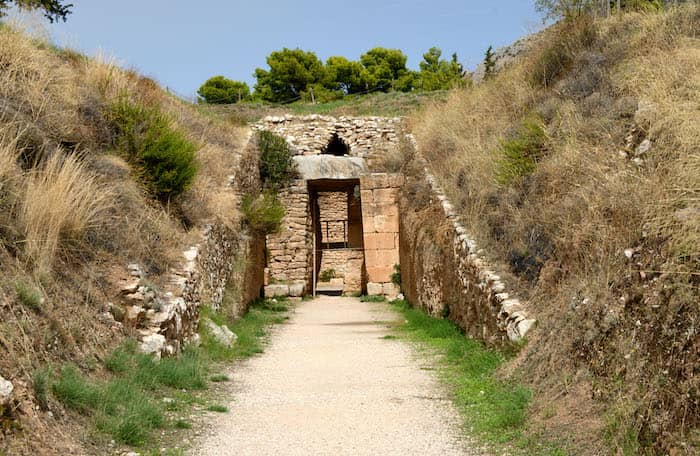
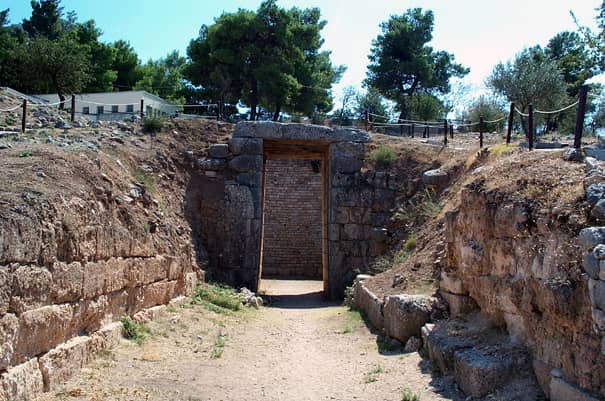
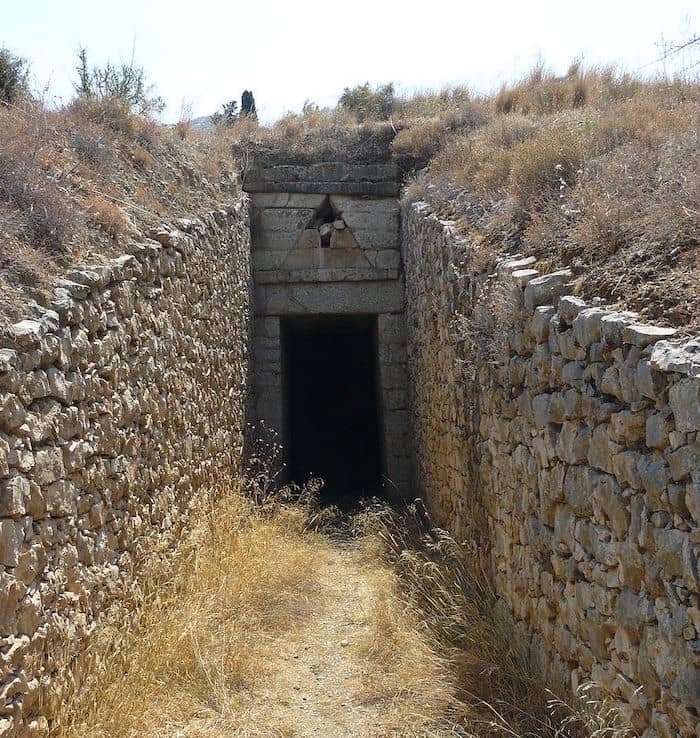
We must emphasize here that the names of these tombs are conventional and do not prove that they were the tombs of members of royal families, bearing their names. Of course the so-called “Tomb of Aegisthus” was not the tomb of Aegisthus because it was built around 1500, while he lived around 1200 BC. And the “Tomb of Clytemnestra” is not certain that either belonged to that queen or the imagination of the peasants gave him this name. We still do not know who was buried in those monuments.
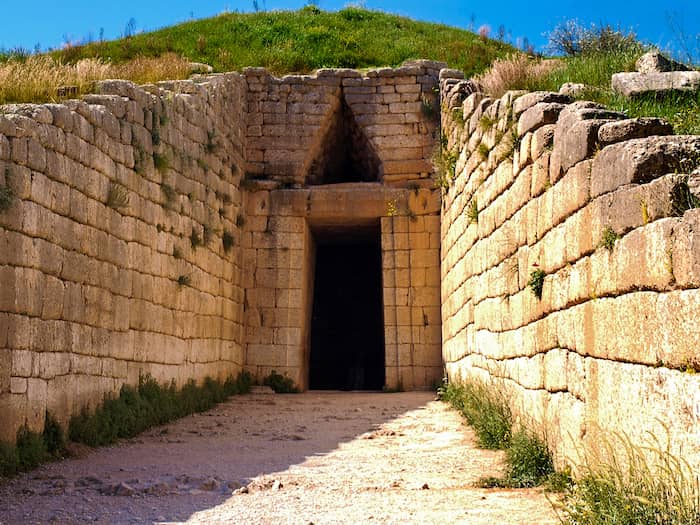
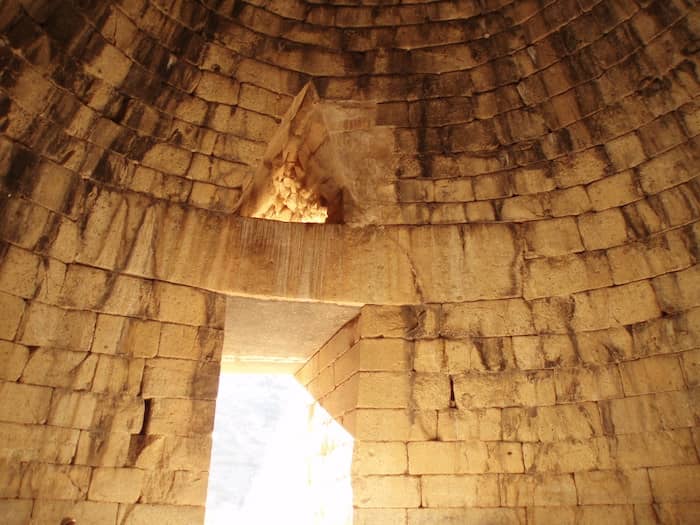
Atreus Treasure

Read more

Clytemnystra Tomb

Read more

Aegisthus Tomb

Read more


Lions Tomb

Read more


Epano Pournos Tomb

Read more


Kato Pournos Tomb

Read more


Demons Tomb

Read more


Cyclopean Tomb

Read more


Panagia Tomb

Read more

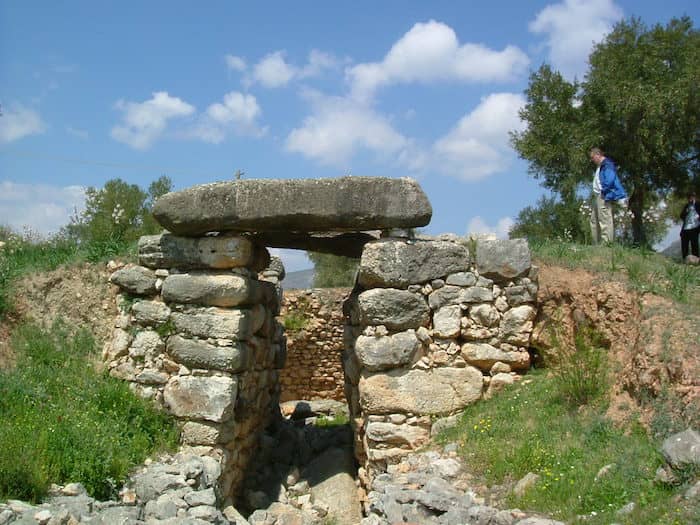
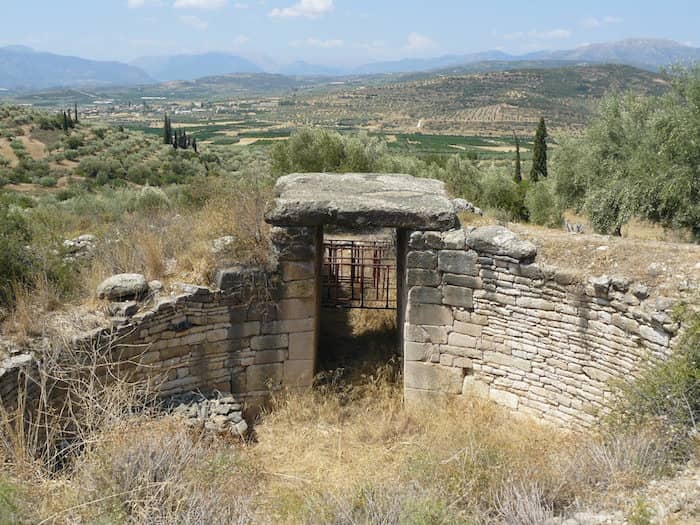
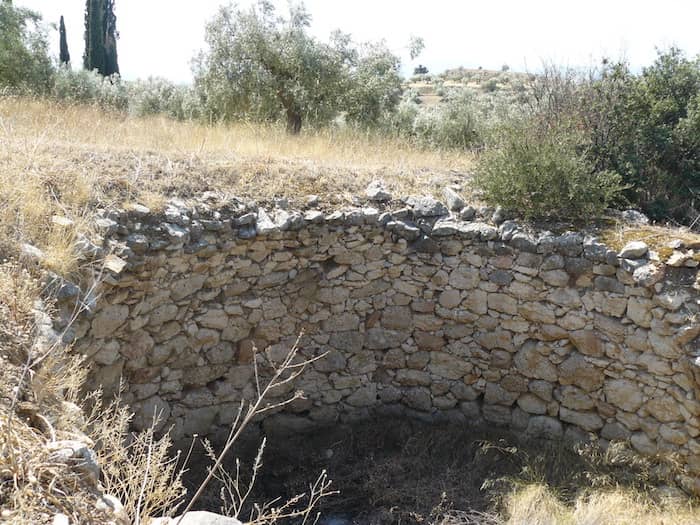
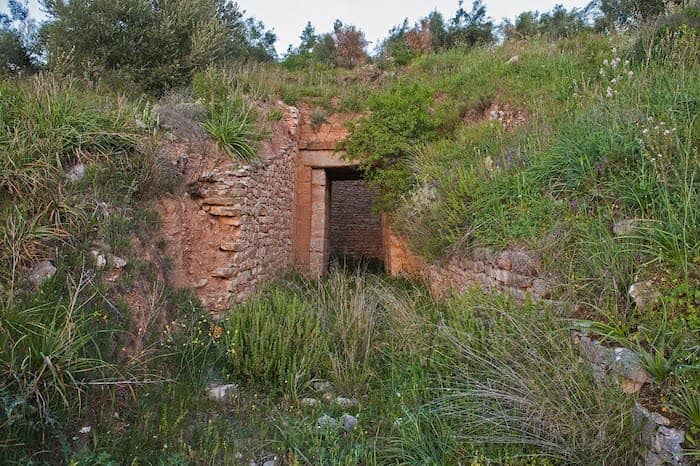
The last 5 tombs on the western slope of Panagitsa hill are abandoned, unknown to most, lost within the olive groves and a guide is certainly required for whoever wants to visit them.

These majestic and formidable burial structures reflect people’s desire to position the dead in a monumental structure equivalent to their earthly abode. The tholos tombs of the Mycenaean period, which are undoubtedly among the most brilliant architectural achievements of the Mycenaean Civilization, represent for Greece, what the pyramids represent for Egypt. The monumental dimensions, durability, advanced technology, the agony of man to build an indestructible eternal abode and to propagandize a symbol of earthly power and prestige. These are the largest vaulted monuments of the ancient world, whose height was surpassed only by the construction of the Pantheon in Rome.

The use of tholos tombs ceases during the Late Helladic IIIC period(1300-1200 BC). From this period until the end of the Mycenaean period, the chamber tombs prevail along with some surviving versions of older burial types, probably due to the new economic conditions, which did not allow the construction of such intricate burial monuments.